Health Education Hub

Public health education resources for prevention, early detection, and healthier families.

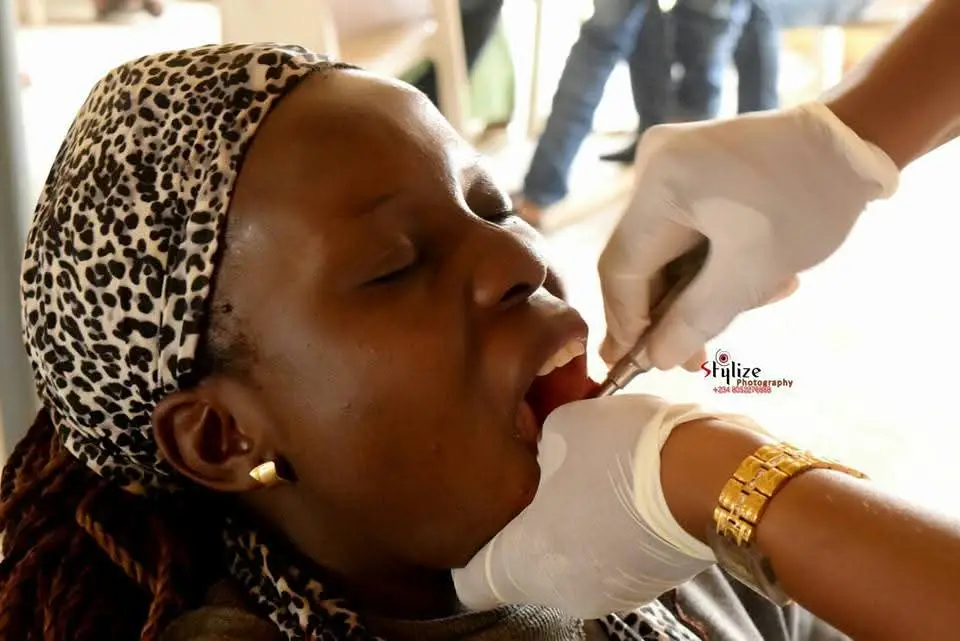
Napoleon Healthcare Foundation community medical outreach
Preventive health for healthier communities.
Categories

Topics for community education

Breastfeeding & Infant NutritionMalaria PreventionHypertensionDiabetesMaternal HealthFamily PlanningEye HealthDental HealthBreast/Cervical Cancer AwarenessHepatitis AwarenessImmunizationHealthy Ageing
Featured health topic

Breastfeeding: a simple guide for mothers and families

Breastfeeding is the best start you can give your baby — and most of the problems mothers meet in the first weeks are normal, common, and fixable. This guide explains what to do, what to expect, and when to ask for help.

  1. Start within the first hour

    Put your baby to the breast as soon as possible after birth, ideally within the first hour.

    • The first milk is thick and yellowish. It is called colostrum.
    • It is not dirty and it is not spoilt. It is small in amount but rich in protection — think of it as your baby's first vaccine.
    • Do not throw it away, and do not give anything else before it.
  2. Give only breast milk for the first six months

    For the first six months your baby needs nothing else — no water, no pap, no glucose, no herbal mixtures, not even in hot weather.

    • Breast milk is mostly water. It gives your baby all the water needed, even in the heat.
    • Giving water or other foods early fills the baby up, reduces your milk, and can cause infection and diarrhoea.
    • The only exceptions are medicines, vitamins, or rehydration solution given by a health worker.
  3. Keep breastfeeding to two years and beyond

    From six months, start giving soft family foods alongside breast milk — but do not stop breastfeeding.

    • Breast milk still provides important nutrition and protection well into the second year.
    • Add variety gradually: mashed foods, then family foods, kept clean and freshly prepared.
  4. Feed as often as your baby wants

    In the early weeks most babies feed 8 to 12 times in 24 hours, day and night. This is normal, not a sign that anything is wrong.

    • Milk works on demand and supply: the more the breast is emptied, the more milk your body makes.
    • Skipping feeds or giving formula 'to rest' will reduce your own supply.
    • Feed from one breast until it softens, then offer the other.
  5. Getting the latch right

    Most early pain and difficulty comes down to how the baby is attached — not to anything being wrong with you or your milk.

    • Your baby's mouth should be wide open, with the lower lip turned outwards.
    • The chin should touch, or almost touch, your breast.
    • More of the dark area around the nipple should show above your baby's mouth than below it.
    • Breastfeeding should not be painful. Ongoing pain is a sign to get the latch checked, not a sign to stop.
  6. How to know your baby is getting enough

    You cannot tell by the size of your breasts, by how soft they feel, or by how much you can express. Look at your baby instead.

    • Six or more wet nappies a day after the first week.
    • Passing stool regularly.
    • Gaining weight at clinic visits — keep going for weighing.
    • Settling and appearing satisfied after most feeds.
    • A baby who cries often is not automatically a hungry baby. Babies also cry from heat, wind, tiredness, and the need to be held.
  7. Breastfeeding protects the mother too

    It is not only the baby who benefits.

    • It helps the womb contract back and reduces bleeding after delivery.
    • It lowers a mother's long-term risk of breast and ovarian cancer.
    • It supports child spacing — but on its own it is not a reliable family planning method. Speak to a health worker about your options.
  8. Going back to work or school

    You can keep breastfeeding after you return to work by expressing your milk by hand or with a pump.

    • Express into a clean, covered cup or container.
    • Freshly expressed milk keeps up to about four hours at room temperature — less in very hot weather — or up to four days in a working fridge.
    • Never boil breast milk. Warm it by standing the container in warm water.
    • Nigerian law protects nursing mothers at work, including paid maternity leave and a suitable place to express and keep milk. Ask your employer.

Where this guidance comes from

This health education content is for public information only and does not replace consultation with a qualified healthcare professional.
Articles

Health education articles

Hypertension

Why Regular Blood Pressure Checks Matter

High blood pressure can be silent for years. Regular checks help people detect risk early and seek care before complications develop.

This health education content is for public information only and does not replace consultation with a qualified healthcare professional.
Breast/Cervical Cancer Awareness

Early Detection Saves Lives: What Every Woman Should Know

Screening, body awareness, and timely consultation improve the chance of early diagnosis and better treatment outcomes.

This health education content is for public information only and does not replace consultation with a qualified healthcare professional.
Malaria Prevention

How Mosquito Nets Help Protect Families from Malaria

Long-lasting insecticide-treated nets reduce mosquito bites and help protect children, pregnant women, and families.

This health education content is for public information only and does not replace consultation with a qualified healthcare professional.
Diabetes

When Should You Check Your Blood Sugar?

Blood sugar checks are useful for people with symptoms, family history, pregnancy risks, or previous high readings.

This health education content is for public information only and does not replace consultation with a qualified healthcare professional.

Dental Health

Simple Dental Care Habits for Families

Brushing, limiting sugary snacks, and early dental visits help prevent pain, infection, and tooth loss.

This health education content is for public information only and does not replace consultation with a qualified healthcare professional.
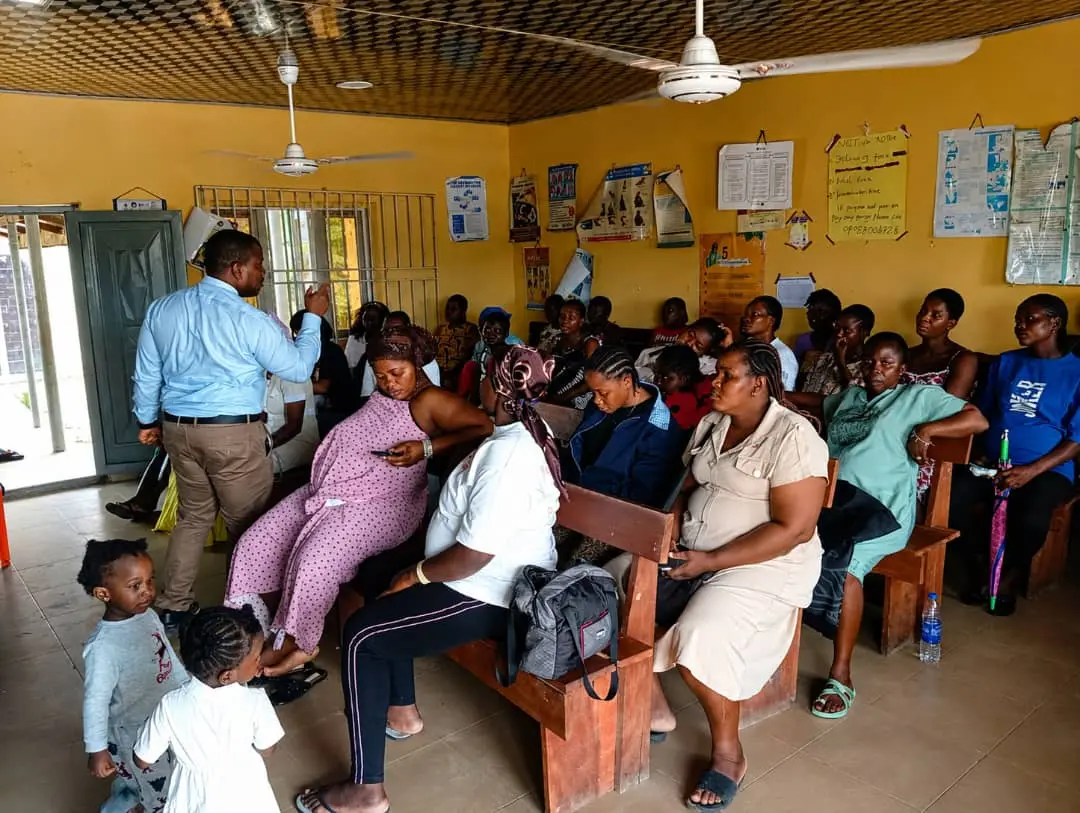
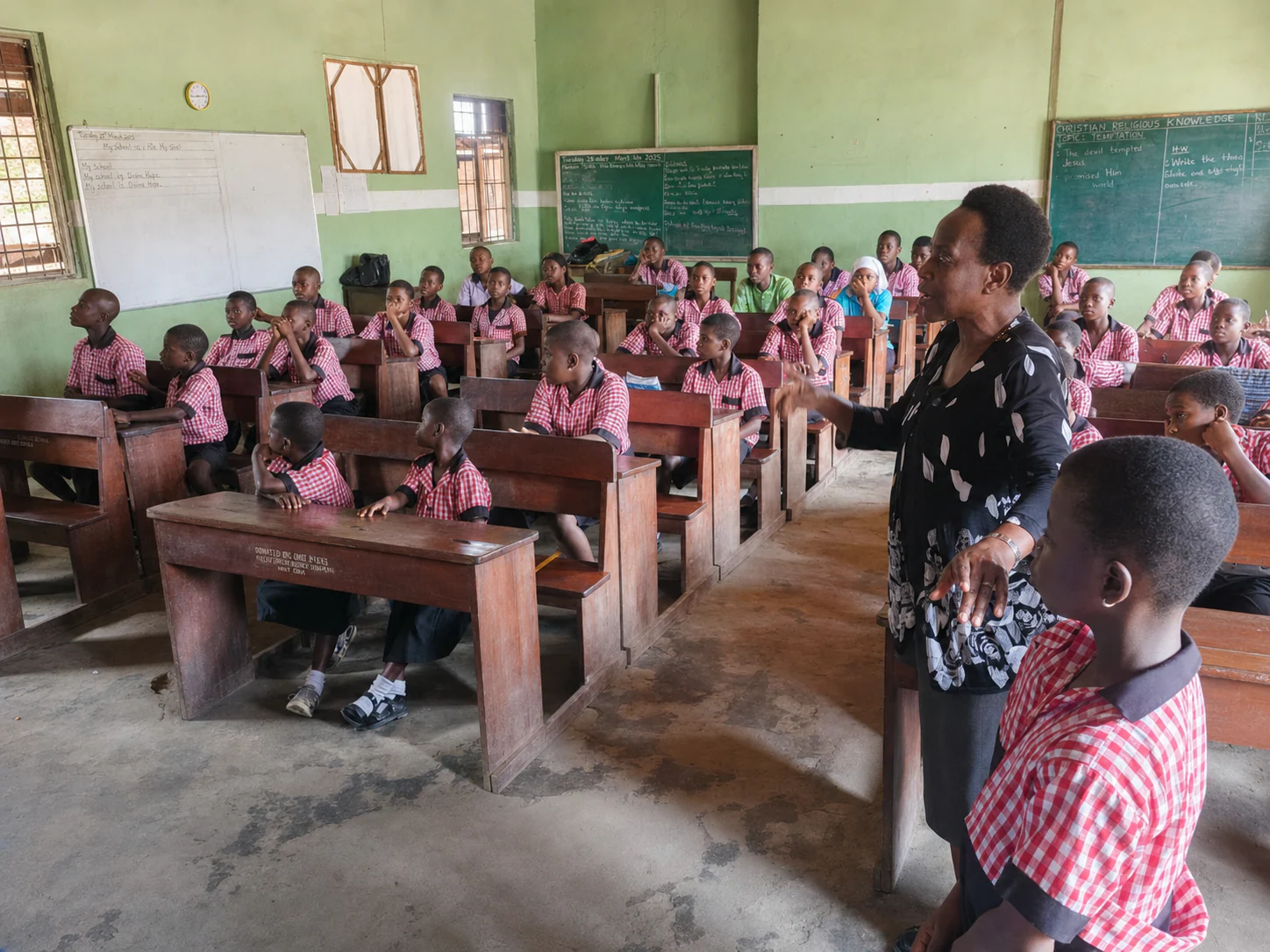
Health talk on breastfeeding in session with mothers at a primary health centre in Oghara
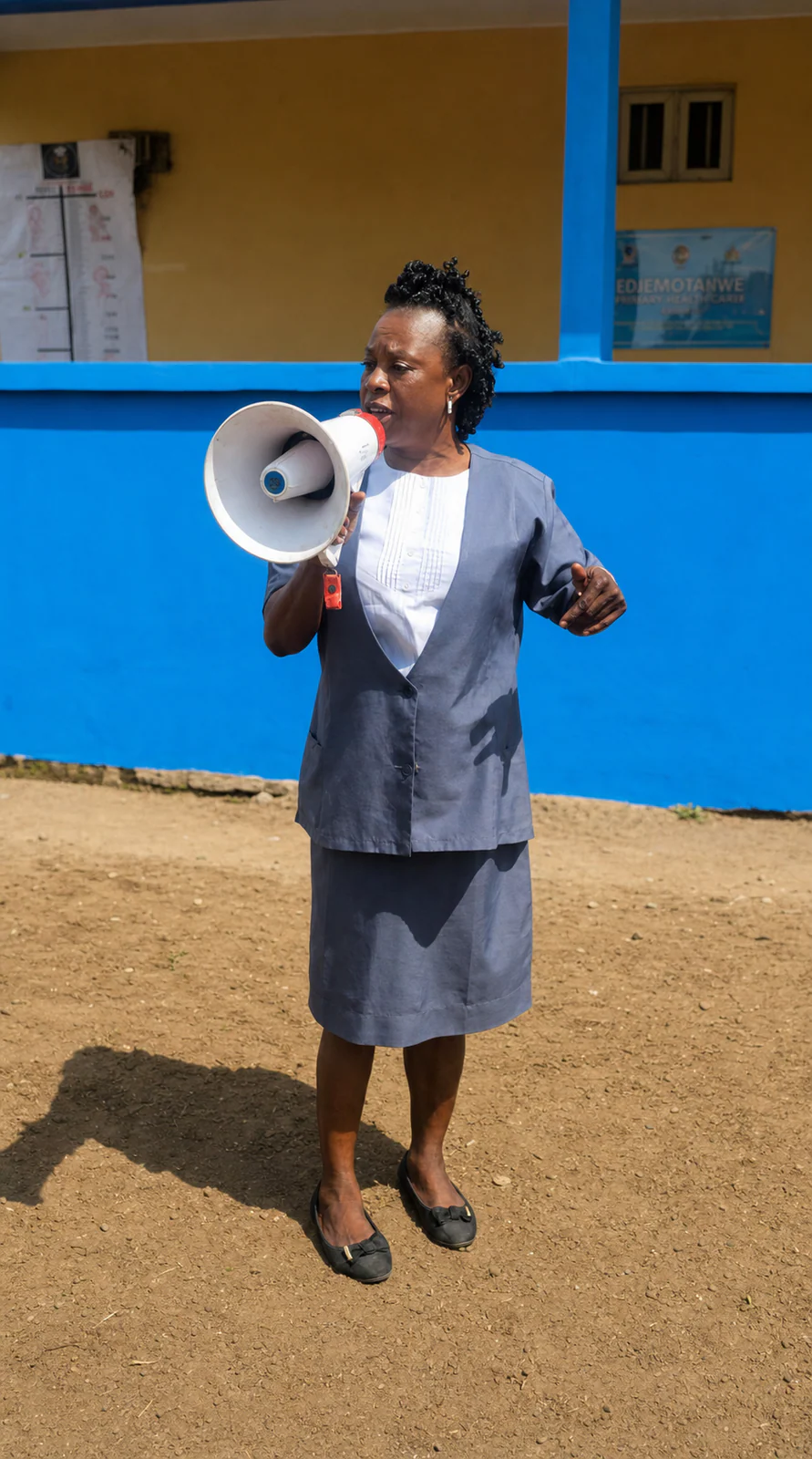
Health education in action — prevention taught where people live, work, and gather.
Newsletter

Get NHF Updates & Public Health News

Subscribe for news on upcoming outreaches, health education campaigns, and public health events.

Health news

Trusted public health updates

Follow ongoing disease surveillance and public health news from these official sources.